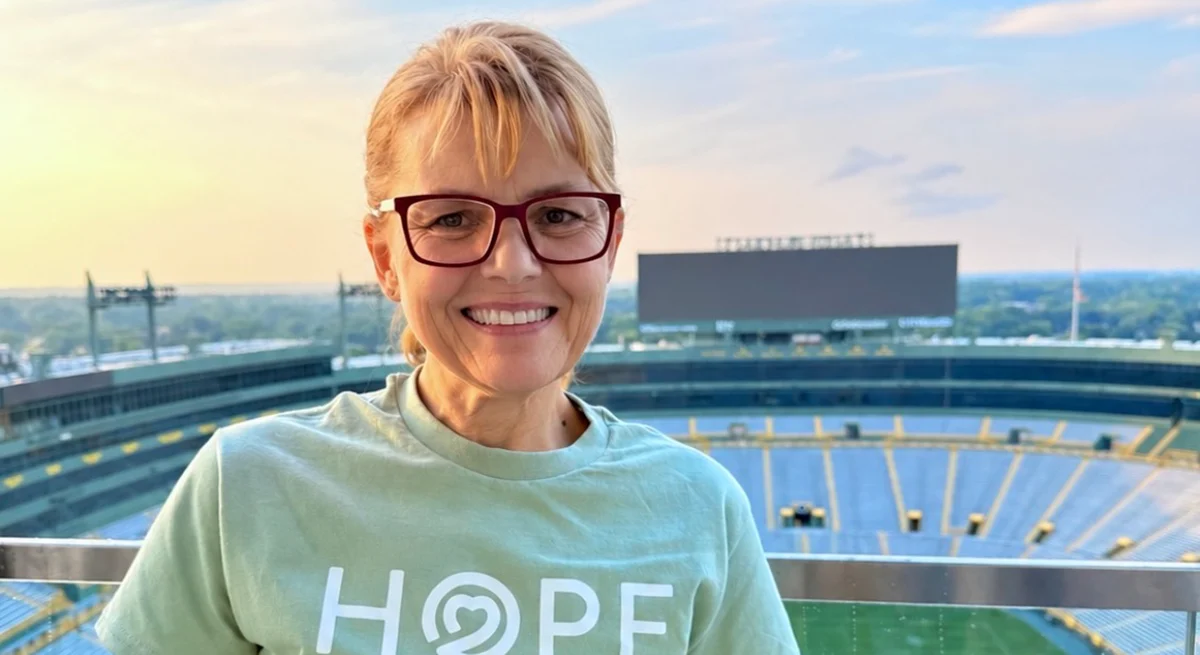
Recovery milestones are worth celebrating.
One day. One month. One year. Sixteen years.
For Jennifer Dubey, 16 years in recovery is an extraordinary milestone, but she is quick to remind us that the number is not what matters most.
It is the day.
“More than anything, I am incredibly grateful,” Jennifer says. “I never take my recovery for granted because every day is a gift, whether someone is celebrating one day or 16 years.”
Jennifer began her commitment to recovery on January 28, 2010. More than 16 years later, gratitude remains at the center of how she approaches her recovery, her relationships and her work at Hope Council.
“When it is my turn to introduce myself at a meeting, I always say, ‘My name is Jennifer, and I’m a grateful alcoholic.’ After 16 years, that gratitude remains at the heart of my recovery.”
Recovery Is a Way of Life
Throughout National Recovery Month, we have been talking about what recovery makes possible, not only for individuals, but for families and entire communities.
Jennifer wishes more people understood that recovery is much bigger than simply no longer using a substance.
“Recovery is an entirely different culture and way of life,” she says.
For Jennifer, that way of life is grounded in principles that extend far beyond recovery meetings.
Honesty. Accountability. Humility. Compassion. Service to others.
“For me, working the principles of the program means trying to live by the Golden Rule and treating others the way I would want to be treated.”
Those principles influence the way Jennifer approaches ordinary interactions and difficult ones alike.
“I truly believe that if more people committed themselves to living by those kinds of principles, whether through a recovery program or another source of personal growth, we would have a much kinder and more understanding society.”
That is one of the lessons recovery can offer all of us.
Lived Experience, Compassion and Hope
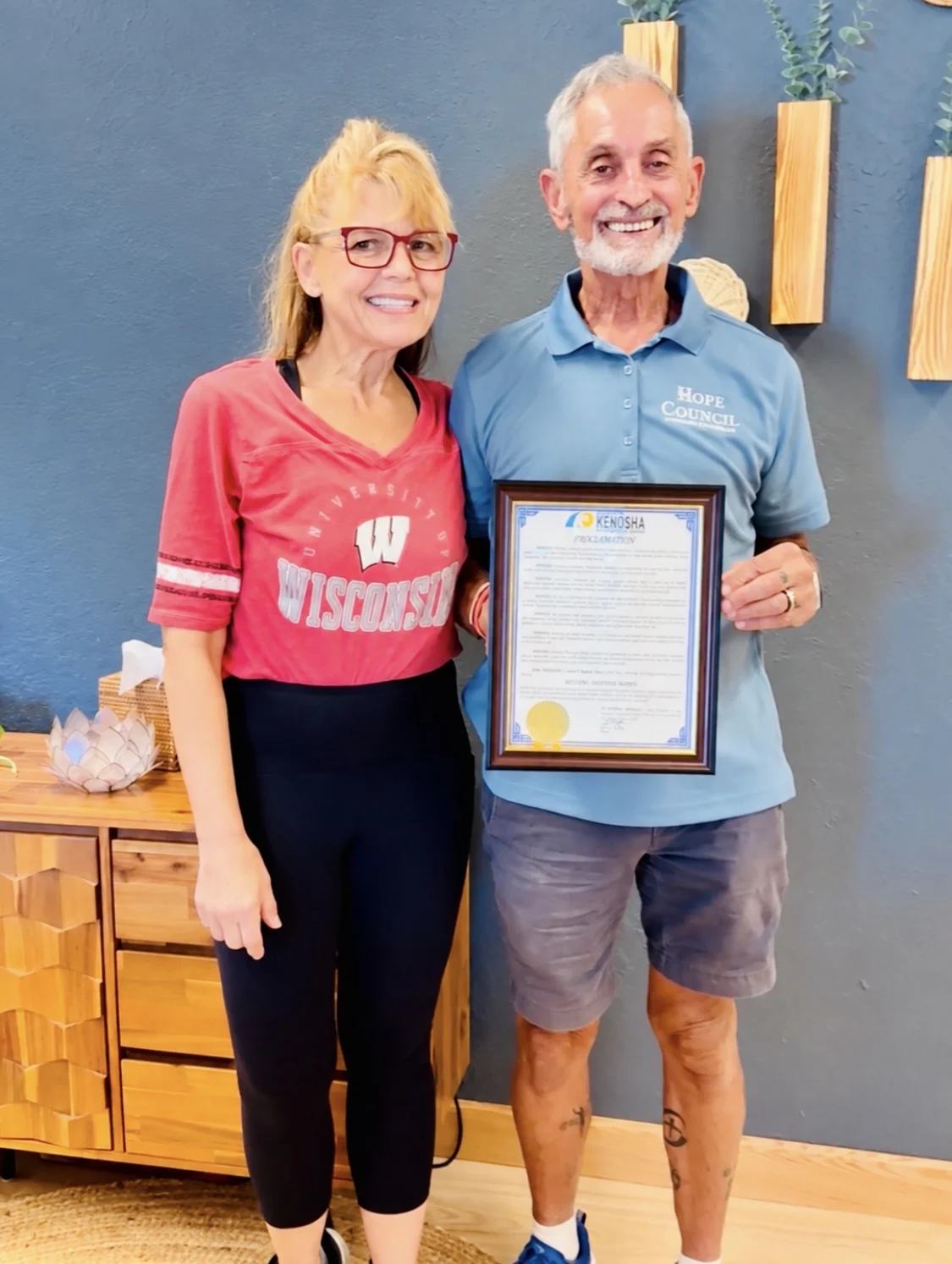
Jennifer’s recovery journey also shapes the way she supports people through her work at Hope Council.
She knows there is no single path that everyone should follow and no predetermined timeline for when someone should be ready.
“My recovery has taught me to approach every person with compassion, kindness, and respect,” Jennifer says. “I try very hard to meet people where they are, without judgment or expectations about where I think they should be.”
That philosophy is at the heart of Hope Council’s work throughout Kenosha County.
People come through the door at different places. Some are ready for recovery. Some are unsure. Some are afraid. Some are there because they are concerned about someone they love.
“Everyone’s journey is different,” Jennifer says, “and sometimes the most meaningful thing we can offer is a safe place where someone feels heard, respected, and supported.”
You Are Worthy of Recovery
This Recovery Month, we have shared stories about the many ways recovery changes lives.
Jennifer’s story reminds us of something equally important:
The person struggling has to believe that a different life is possible.
Sometimes, before they can believe that for themselves, they need someone else to believe it for them.
When we asked Jennifer to finish one sentence, her answer captured exactly what we hope every person who comes through Hope Council’s doors understands:
“Recovery is possible because you are worthy of it.”
“You are worthy of healing, hope, and a life you no longer need to escape from. There are people who will love you until you are able to love yourself, and you never have to walk this journey alone.”
Sixteen years into her own recovery journey, Jennifer is living that message.
One day at a time.
With gratitude.
And with hope.