Overdose Prevention
Recognize & Reverse an Overdose
An opioid overdose rarely looks like the movies — it looks like someone sleeping too deeply, snoring strangely, or “really out of it.” Here’s how to tell the difference, and how to give naloxone once you know. Start with the signs, then the nasal spray steps, what naloxone can and can’t do, and where to get yours free before the night someone needs it.
Prefer to watch? See the manufacturer’s step-by-step video.
If someone may be overdosing
1
Call 911.
2
Give naloxone if available.

3
Follow the 911 operator’s instructions.
4
Place the person on their side if you can do so safely.
5
Stay until emergency help arrives.
If you are not sure whether it’s an overdose, treat it like one. Fast action saves lives, and nobody has ever regretted the ambulance that wasn’t needed.
Naloxone is temporary. Call 911 even if the person wakes up.
Recognize an overdose
Bottom line: You do not need every sign. Unresponsive plus troubled breathing is enough. Act.
What not to do, and why people hesitate
Don’t
The application process
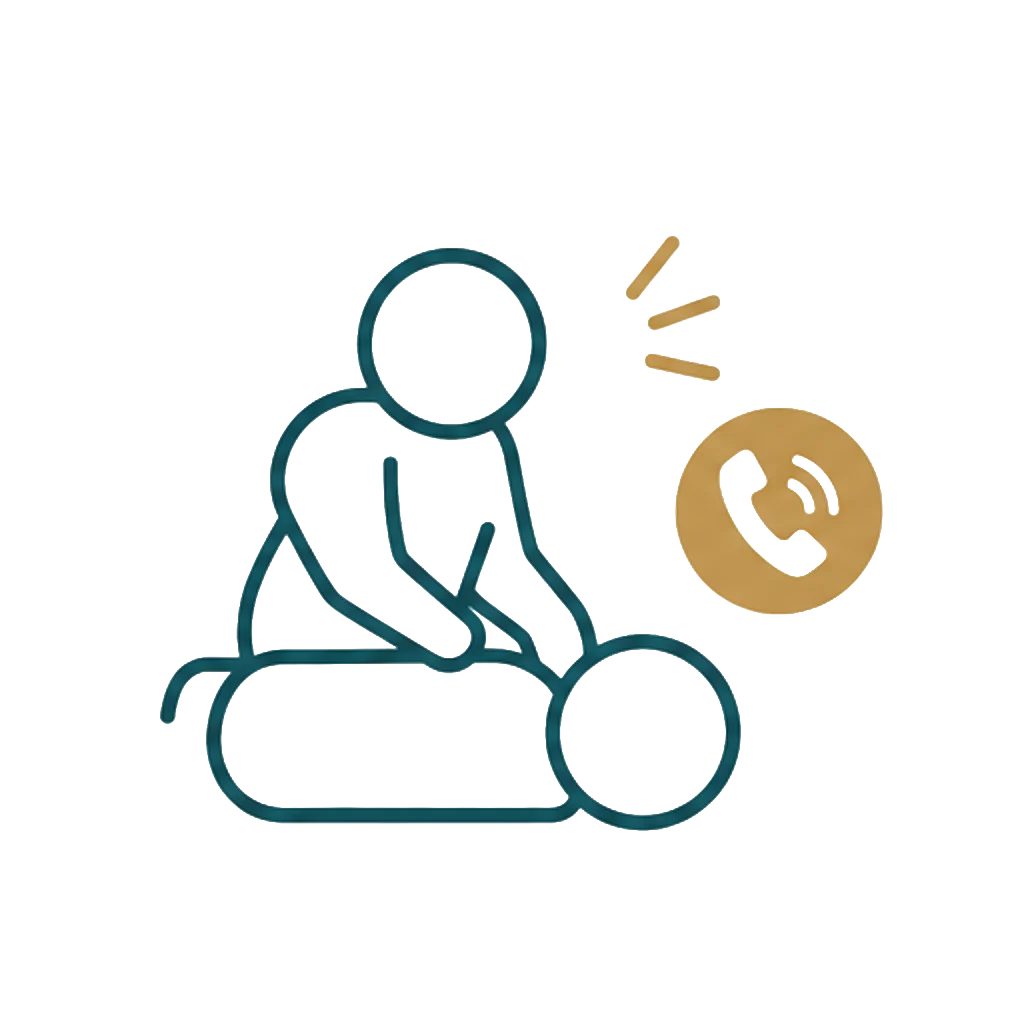
1. Check and call
Try to wake them — shout, shake, rub your knuckles on their breastbone. No response? Call 911 (or have someone else call while you act). Lay the person on their back if it’s safe to do so.
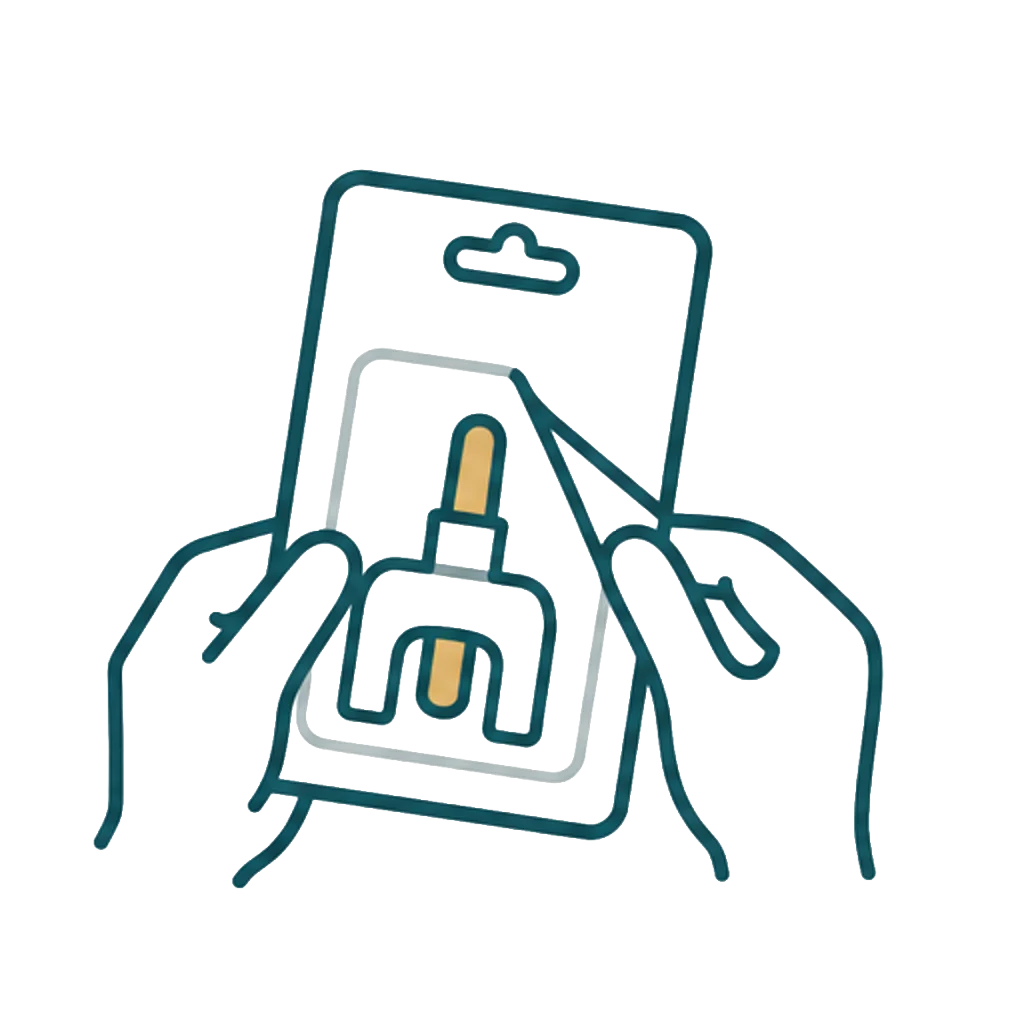
2. Peel
Peel the device out of its packaging. Don’t test it — each device is one dose, and pressing the plunger fires it.
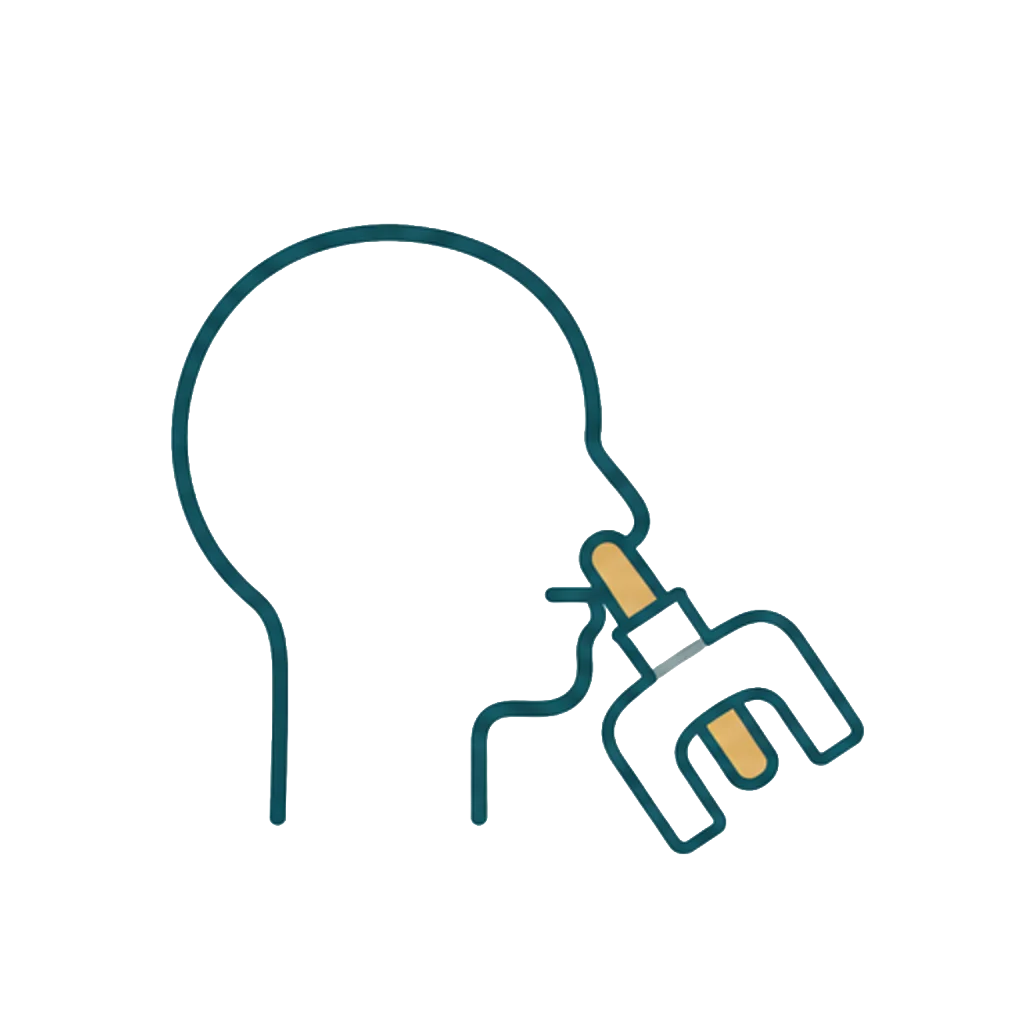
3. Place
Tilt their head back slightly. Place the nozzle fully into one nostril, until your fingers touch the base of their nose.

4. Press
Press the plunger firmly, all the way. The dose works even if the person isn’t breathing through their nose.

5. Wait, watch, repeat if needed
Note the time. If there’s no response in 2–3 minutes, give a second dose in the other nostril. Support their breathing if you’re trained or the 911 operator instructs you.
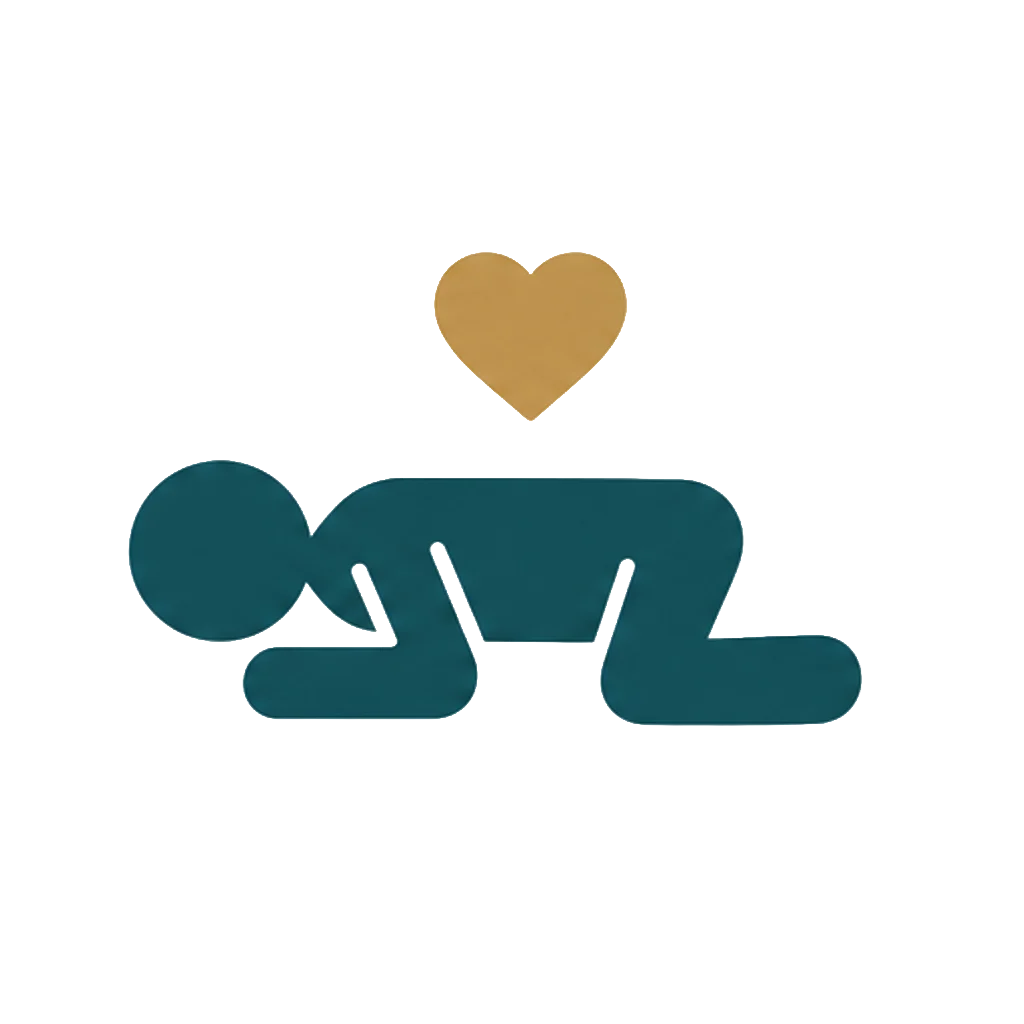
6. Side, and stay
Once breathing returns, place them on their side — knees bent, top arm under the head — and stay until EMS arrives.
Honest expectations
Free naloxone in Kenosha County
Carry it if you use opioids — prescribed or not — if you love someone who does, or if your household has opioid prescriptions. Same for coaches, teachers, bartenders, librarians, pastors, and anyone else whose work puts them near the public. Naloxone in a drawer nobody can reach saves nobody; naloxone in a pocket or a kitchen cabinet the household knows about is a different story.