NEED HELP NOW? Call 911 for emergencies. Call or text 988 for mental health or substance use crises. Local 24/7 support: 262-657-7188.

262-658-8166

6103 39th Avenue, Kenosha, WI 53142

262-658-8166

6103 39th Avenue, Kenosha, WI 53142

NEED HELP NOW? Call 911 for emergencies. Call or text 988 for mental health or substance use crises. Local 24/7 support: 262-657-7188.

NEED HELP NOW? Call 911 for emergencies. Call or text 988 for mental health or substance use crises. Local 24/7 support: 262-657-7188.

Cannabis2026-07-30T13:43:51-05:00
Substance Information

Cannabis

Cannabis products have changed — a lot. Today’s flower, concentrates, edibles, and vapes are far stronger than what existed a generation ago, and the honest conversation has to start there. This page covers what cannabis actually is now, where the real risks are, and when support is worth considering. No reefer-madness here. Just current facts.

Cannabis, at a glance

The products changed

Flower, concentrates, edibles, beverages, oils, and vapes — with THC levels today’s products carry, old assumptions don’t hold.

What THC does

THC affects mood, attention, memory, coordination, and perception — which is the point for users, and the problem for driving, school, and developing brains.

What lowers risk

Knowing the strength of what you’re using, never driving impaired, keeping all products locked away from kids, and reaching out when use starts running daily life.

Local support exists

Assessment, peer support, family support, UDAAP for underage citations, and prevention education — all through Hope Council.

The products, in plain language

Cannabis (marijuana) contains THC, the compound that causes the high, and CBD, which does not.

What matters most today is potency and form:

  • Flower is several times stronger on average than it was decades ago.

  • Concentrates (dabs, wax, shatter) can contain very high THC levels — a different experience and a different risk than flower.

  • Edibles and beverages take 30 minutes to 2 hours to kick in. The most common mistake: “it’s not working,” a second dose, and then both arrive at once.

  • Vaped products are discreet, easy to conceal, and a major route of youth use.

In Wisconsin, cannabis is not legal for recreational use — possession can carry school, work, legal, and licensing consequences, regardless of what neighboring states allow.

If you haven’t seen cannabis products in a while, look again

Most adults picture cannabis one way — and today’s products don’t look like that. These are the forms showing up now:
Gemini Generated Image 6calfi6calfi6cal

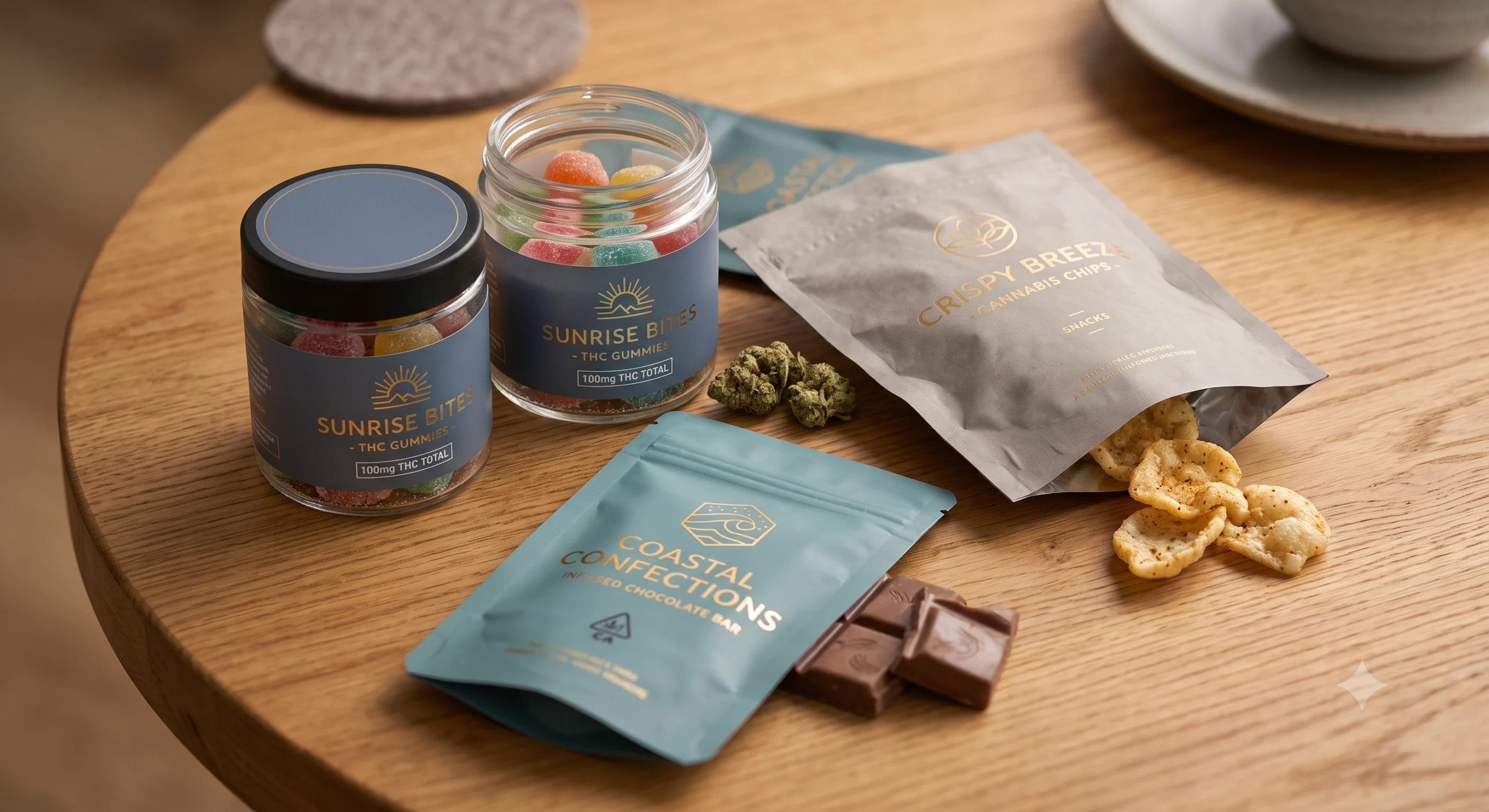
Edibles. THC gummies, chocolates, and snacks — packaging is often nearly identical to familiar brands. This is why lockable storage matters and why kids end up in emergency rooms.
Gemini Generated Image 3htc923htc923htc

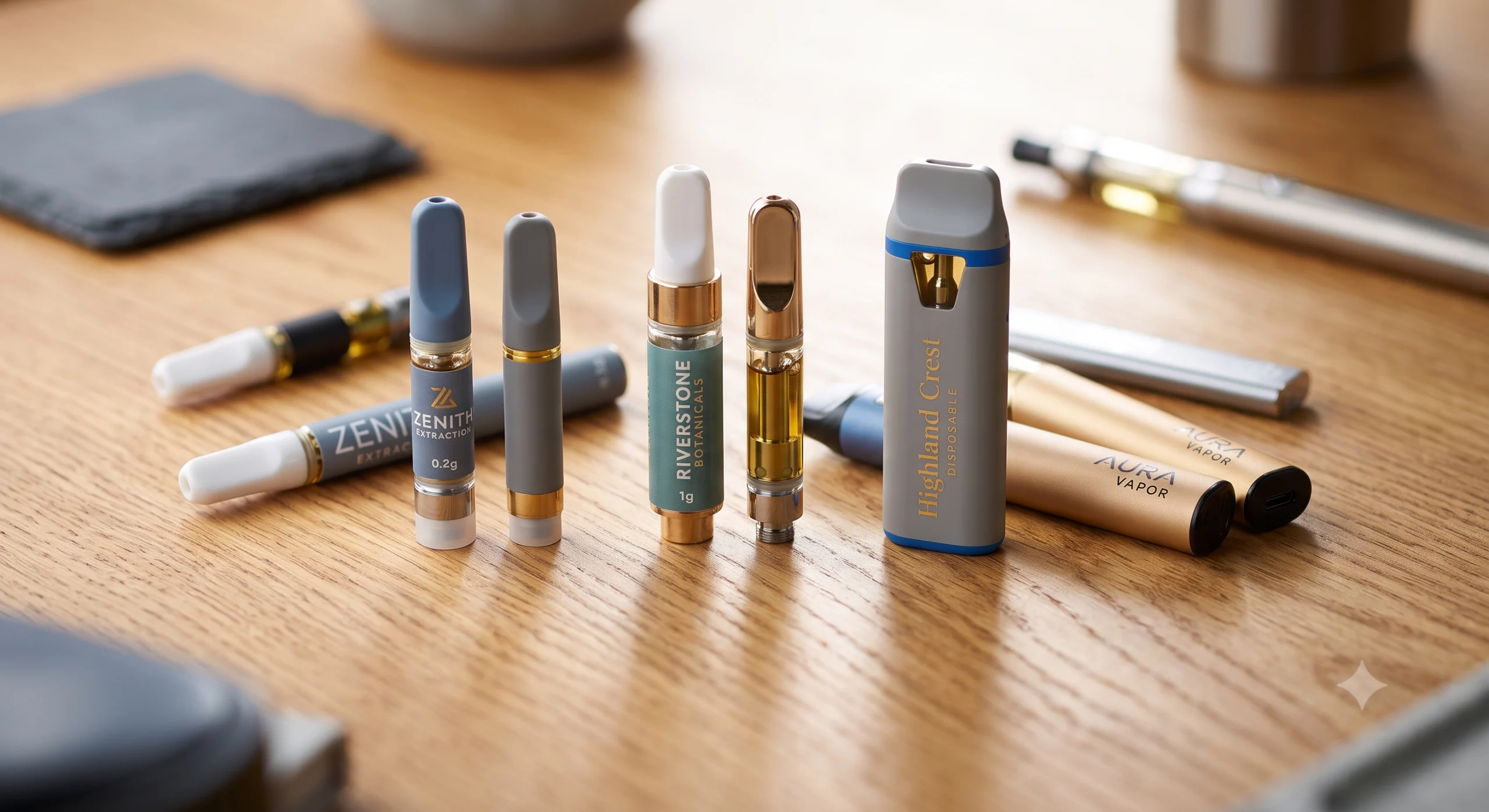
Vape cartridges & disposables. Cannabis vapes look like nicotine vapes — small, discreet, and far less recognizable than smoke.
Gemini Generated Image D3y4mad3y4mad3y4

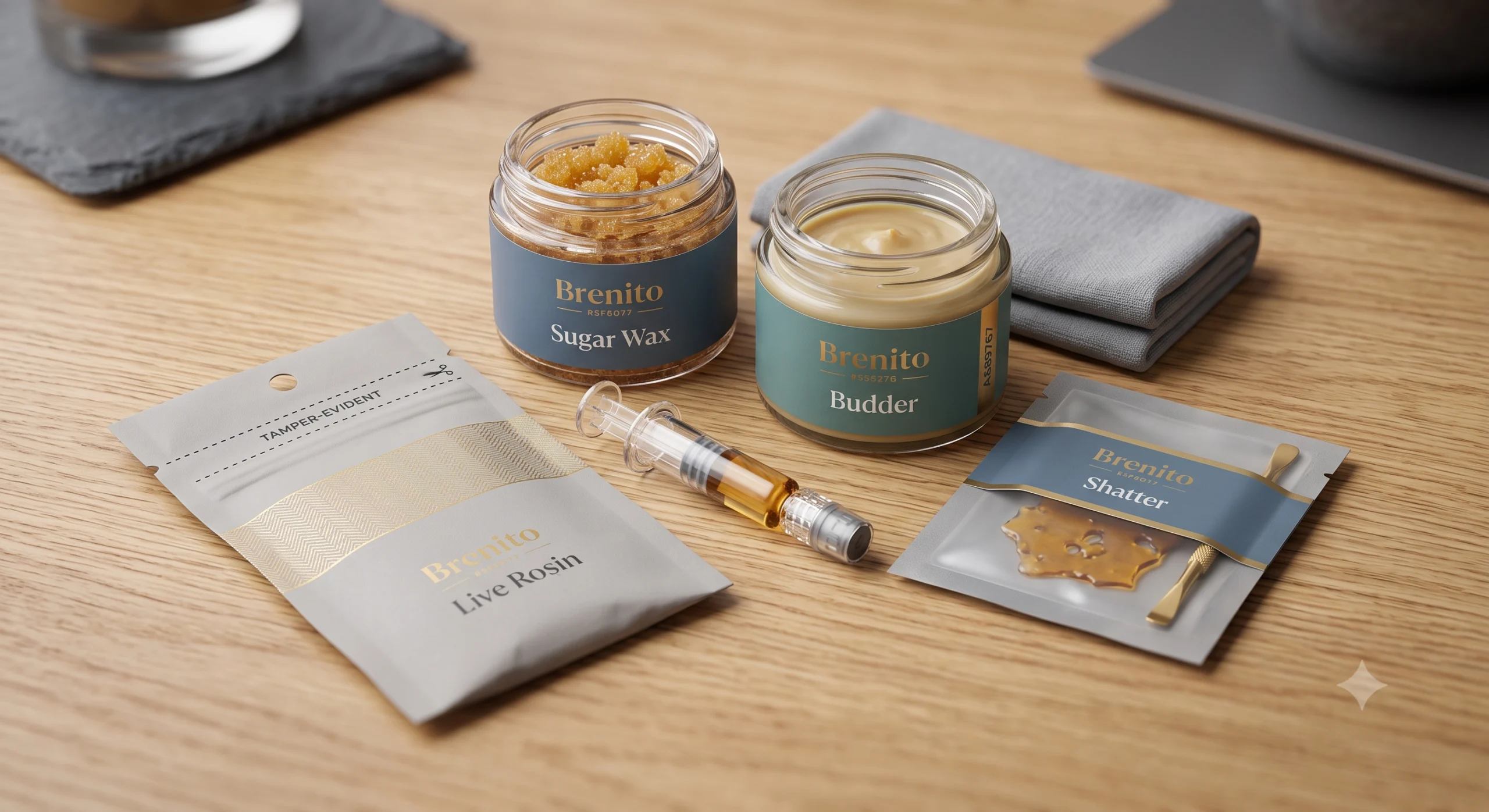
Concentrates. Concentrates come in small jars or wraps and carry very high THC levels — a different product than flower in every practical sense.
Gemini Generated Image 3qi7ec3qi7ec3qi7

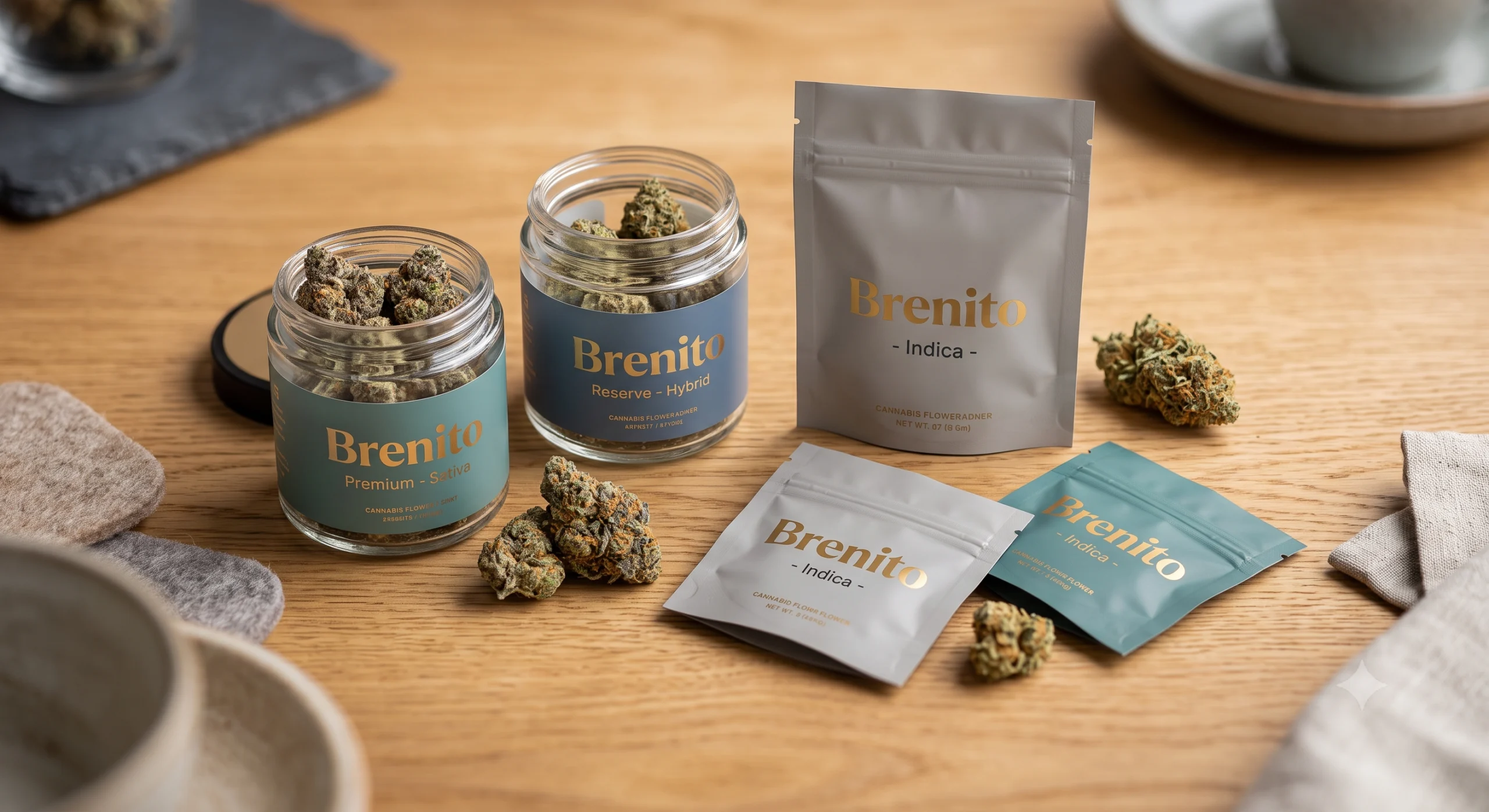
Flower. Even the familiar form usually arrives in commercial packaging now — and is several times stronger than a generation ago.

Where the risks actually land

Right now

Impaired driving (yes, cannabis impairs driving). Anxiety, panic, or racing heart — especially with high-potency products or edible misjudgment. Accidental ingestion by children, because THC edibles look exactly like candy.

Over time

Cannabis use disorder is real — roughly 3 in 10 people who use cannabis develop some degree of it, and the odds rise sharply when use starts in the teen years. Regular heavy use is linked with memory, attention, and motivation effects, and with worsened anxiety and depression for some people.

For young people

The brain develops into the mid-20s, and THC interacts directly with the systems doing that developing. Earlier and heavier use means higher risk — of dependence, of mental health effects, and of school consequences that follow a kid around.

With other substances

Cannabis with alcohol multiplies impairment, especially behind the wheel. And anything purchased illicitly can contain things it shouldn’t — if contamination is a worry, see Fentanyl & Xylazine.

When it’s urgent

If a child ate an edible

Call the Poison Control help line at 1-800-222-1222 right away — and call 911 if the child is hard to wake, struggling to breathe, or seizing. THC affects small bodies much more strongly. Do not wait to see what happens.

If someone is panicking or “too high”

It passes — usually within a few hours. Stay with them, keep things calm and quiet, offer water. Get medical help if symptoms feel severe, they have heart problems, or something seems wrong beyond anxiety.

Either way

The person should not drive — not once they “feel fine,” and not just down the road. Impairment outlasts the feeling of being impaired.

Worth a conversation if…

  • Cutting back keeps not happening, even when you mean to.
  • It’s the go-to for stress, sleep, boredom, or feelings.
  • A citation, school consequence, or legal requirement is in the picture.
  • For a young person: needing it daily, or being unable to take a break.
  • Driving high has happened.
  • Someone you trust has said they’re worried.
None of these means a verdict. Each one means a conversation could help — before consequences make the decision for you.

Using less counts too

Plenty of people don’t want to quit — they want it to stop running the schedule. What actually helps:


  • Track use for two weeks. Frequency is the number that surprises people.

  • Take a tolerance break — and notice how hard or easy it is. That’s useful information either way.

  • Choose lower-potency products over concentrates.

  • Don’t keep a stock at home.

  • Decide the no-use times (work, school, driving — always driving) and protect them.

If breaks keep failing or use keeps winning, peer support exists for exactly this — no cost, no judgment, nobody making you sign a pledge.

Support for whatever this page brought up

For you

Confidential AODA assessments, no-cost peer support from people with lived experience, and navigation to treatment that fits.

For parents and caregivers

How to talk with a teen about cannabis without losing them mid-sentence — and what changes are worth noticing.

Underage citation or court concern

The Underage Drug & Alcohol Accountability Program (UDAAP) offers an alternative to a violation’s effects on a young person’s record. Court first, then registration.

Schools and groups

Honest, current cannabis education for classrooms and community audiences — fees based on ability to pay.

Common Questions

Is cannabis addictive?2026-07-09T15:11:42-05:00

For some people, yes. About 3 in 10 people who use cannabis develop some degree of cannabis use disorder, and the risk is significantly higher when use starts young or runs daily. “Not as addictive as other substances” is true and beside the point if it’s running your life.

Is cannabis legal in Wisconsin?2026-07-09T15:11:59-05:00

Not for recreational use. Whatever neighboring states allow, possession in Wisconsin can carry legal, school, work, and licensing consequences — including for products purchased legally elsewhere.

How do I talk to my teen about cannabis?2026-07-09T15:12:16-05:00

Calmly, factually, and more than once. Today’s products are genuinely different, which means honest concern has real footing — and lectures still don’t work. Start with Talking to Teens About Substance Use.

Can Hope Council help with cannabis-related concerns?2026-07-09T15:12:28-05:00

Yes — assessment, peer support, family guidance, UDAAP for underage citations, and prevention education. Call 262-658-8166 and describe what’s going on.

Health content on this page aligns with current CDC, NIDA, and SAMHSA guidance. Reviewed by Hope Council staff. July 23rd, 2026

Go to Top