Parents and caregivers have tremendous influence when it comes to helping young people make healthy decisions about alcohol, nicotine and other substances. But prevention today requires more than one serious conversation about “drugs.”
The products young people encounter continue to change. Vapes can be small and easy to conceal. Nicotine is available in forms that may not look like traditional tobacco products. Illicit fentanyl has dramatically changed the risks associated with the illegal drug supply. And mental health, stress and substance use can intersect in ways families may not immediately recognize.
That is why prevention works best as an ongoing conversation.
At Hope Council, we believe young people deserve honest, age-appropriate information that respects their intelligence. Parents deserve the same thing: practical information, current resources and somewhere local to turn when they have questions.
Start Talking Earlier Than You Think
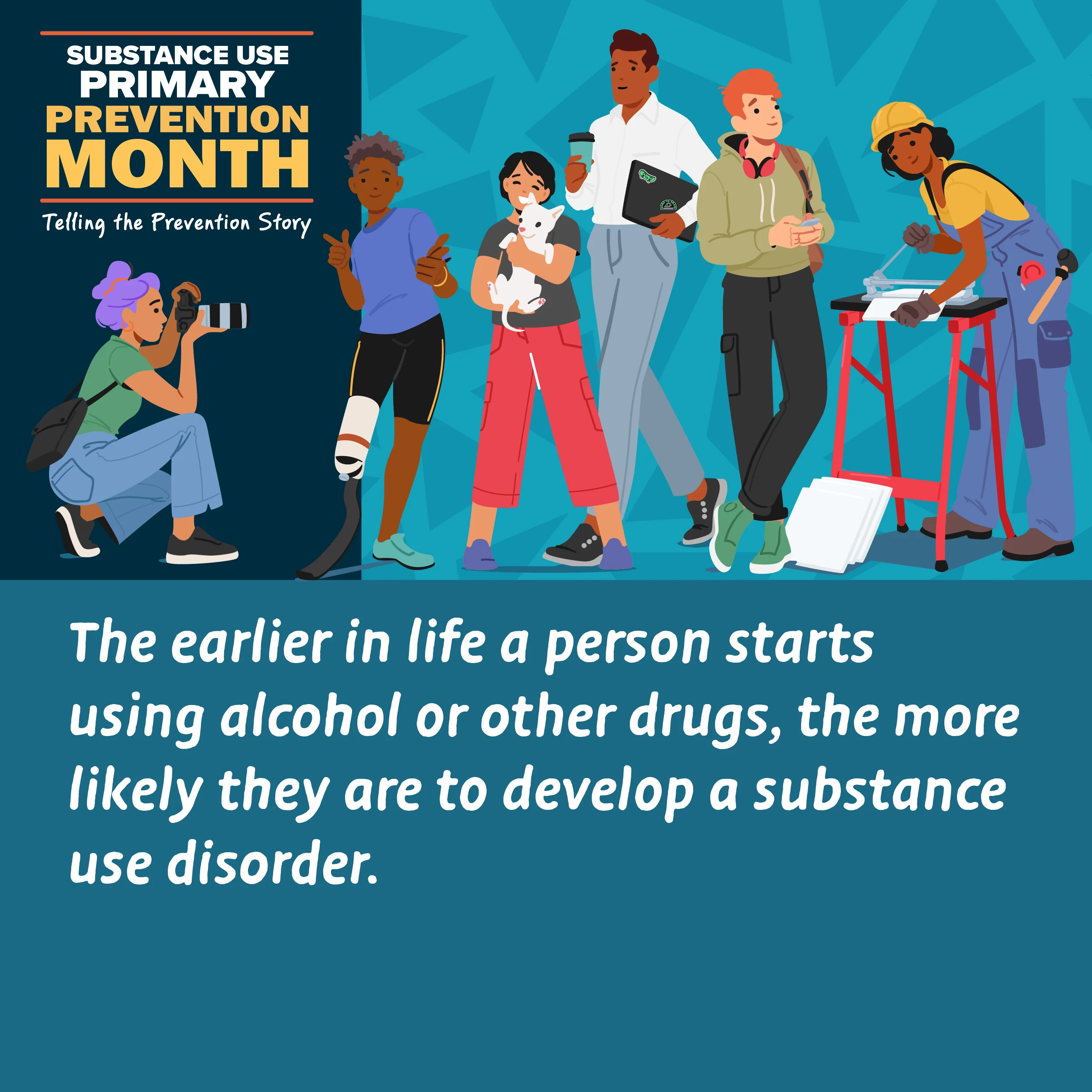
You do not have to wait until high school or until you suspect substance use to begin talking about it.
Prevention can begin with simple conversations about medication safety, healthy coping skills and making decisions that protect your health. As children grow, those conversations can evolve to include alcohol, cannabis, vaping, nicotine and other substances.
Hope Council recommends beginning these conversations earlier than may feel necessary because attitudes and behaviors can begin developing well before high school.
Explore Hope Council’s Youth & Teens resources for age-appropriate information and guidance.
The goal is not to have one perfect conversation. It is to create a relationship in which your child knows they can come to you with questions.
Small Talks Can Make a Big Difference
Parents and caregivers do not need to wait for a crisis, a concerning behavior or one big, serious conversation to talk with kids about substance use. In fact, some of the most effective conversations can happen in small moments along the way.
The Wisconsin Department of Health Services’ Small Talks initiative gives parents and other caring adults practical tools for starting short, age-appropriate conversations about alcohol, cannabis, vaping and tobacco, prescription medications and other drugs.
DHS recommends beginning these conversations around age 8 and continuing them as children grow. Rather than trying to cover everything at once, Small Talks encourages parents to use everyday opportunities to talk, listen, answer questions and make family expectations clear.
The Small Talks resource includes:
Vaping and Nicotine Still Deserve Parents’ Attention
Today’s nicotine products do not necessarily resemble cigarettes.
Vapes, e-cigarettes, nicotine pouches and other products have changed the landscape, and some can be surprisingly easy to conceal.
For parents, one important distinction is understanding that repeated nicotine use can become dependence, not simply defiance or bad behavior.
If you suspect your child is vaping, start with a conversation. Ask questions. Listen. Learn what your child knows about the products they are seeing. If they are already using nicotine regularly, the conversation can shift toward helping them quit.
Hope Council provides Vaping & Nicotine resources for parents and schools and works with Kenosha Unified School District, Kenosha County Public Health, the KRW Tobacco-Free Coalition and other community partners on youth vaping prevention, intervention and cessation.
Every Family Should Know About Fentanyl and Naloxone
Fentanyl has made overdose prevention knowledge important even for families who do not believe substance use is happening in their homes.
This is very much a local concern.
According to the Kenosha County Medical Examiner’s Office, 34 overdose deaths occurred in Kenosha County in 2024. Twelve involved fentanyl and/or a fentanyl analog. Kenosha County also reports that local law enforcement has seized counterfeit pills that tested positive for fentanyl.
This is why parents should reinforce an important message with young people: A pill that does not come from a licensed pharmacy may not contain what someone thinks it contains.
Naloxone is a medication that can reverse an opioid overdose. Knowing how to recognize an overdose and how to administer naloxone can save a life.
Visit Hope Council’s Overdose Prevention resources for information about recognizing an opioid overdose, naloxone and local resources.
If you suspect an overdose, call 911, give naloxone if available and stay with the person until help arrives.
What If You’re Already Worried About Your Child?
Sometimes parents are looking for prevention information because something has already changed.
Maybe you have noticed a change in friends, behavior, school performance or mood. Maybe you found a vape. Maybe your teen told you they are using something. Or maybe you simply have a feeling that something isn’t right.
You do not have to diagnose the problem yourself.
Start with a calm conversation.
Hope Council’s Youth & Teens resource center includes information for parents and caregivers about talking with young people, recognizing changes and understanding current substance risks.
Hope Council also provides Peer Support for parents and loved ones affected by substance use.
Prevention Is Something We Practice
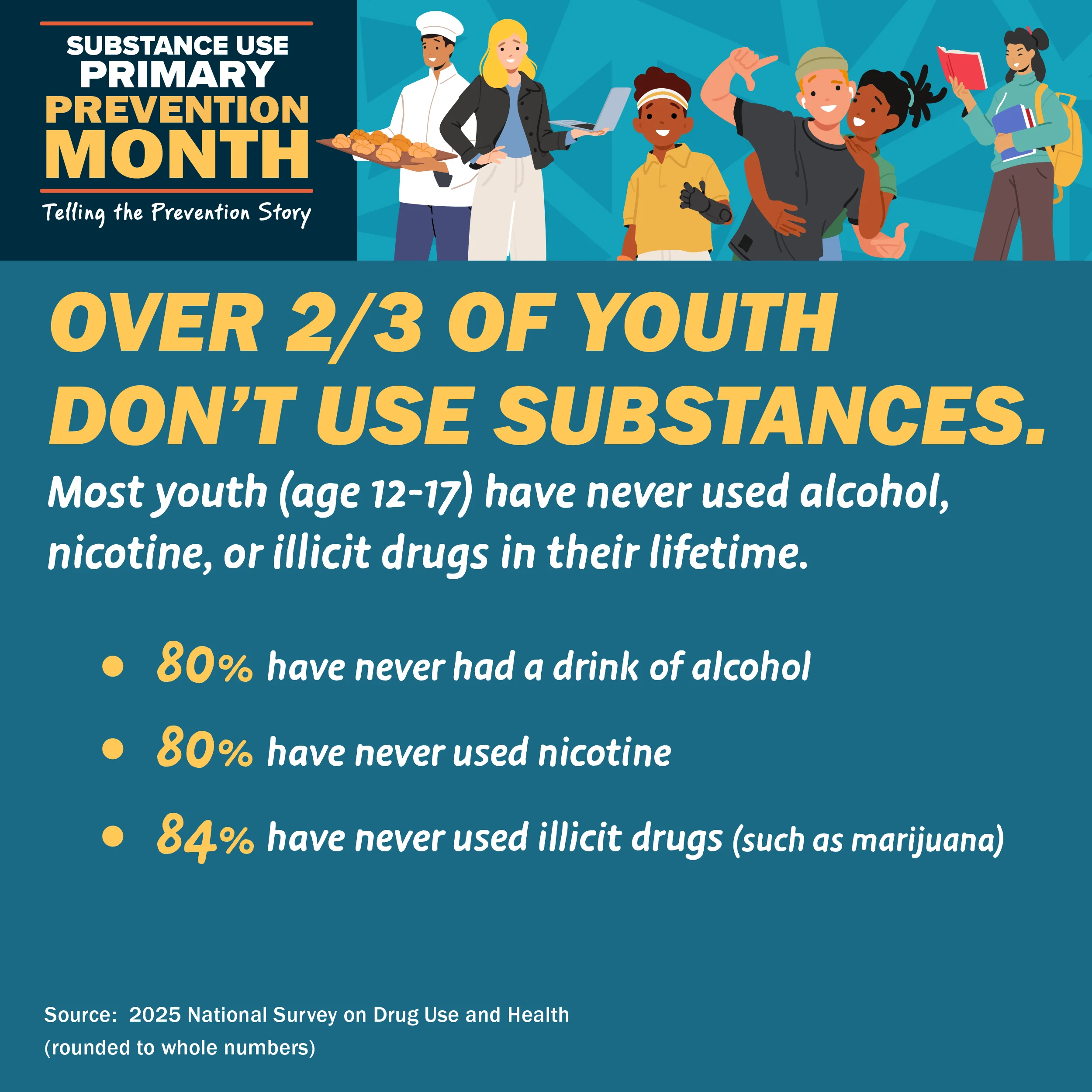
Prevention does not happen through one school presentation, one warning or one conversation at the kitchen table.
It happens when young people have accurate information.
It happens when families talk openly.
It happens when adults recognize mental health concerns.
It happens when communities reduce stigma around asking for help.
And it happens when young people know that making one poor decision does not mean they have nowhere to turn.
For more than 55 years, Hope Council has worked alongside individuals, families, schools and community partners throughout Kenosha County to provide substance use education, prevention, intervention, referral and support.
Explore the Hope Council Resource Library or call 262-658-8166 if you have questions or are concerned about someone you love.
You do not need to know exactly what kind of help you need before you call.
Sometimes prevention starts with simply knowing where to turn.