From the Wisconsin Substance Use Summit to Your Community

More than 900 professionals from across Wisconsin working in behavioral health, education, government, medicine, and public health gathered in Green Bay for the 2026 Wisconsin Substance Use Summit to deepen their knowledge of substance use services and share best practices for building healthier, safer communities.

Over two days, attendees participated in more than 50 educational and networking sessions focused on prevention, intervention, treatment, recovery, and innovative approaches to addressing substance use challenges across Wisconsin.

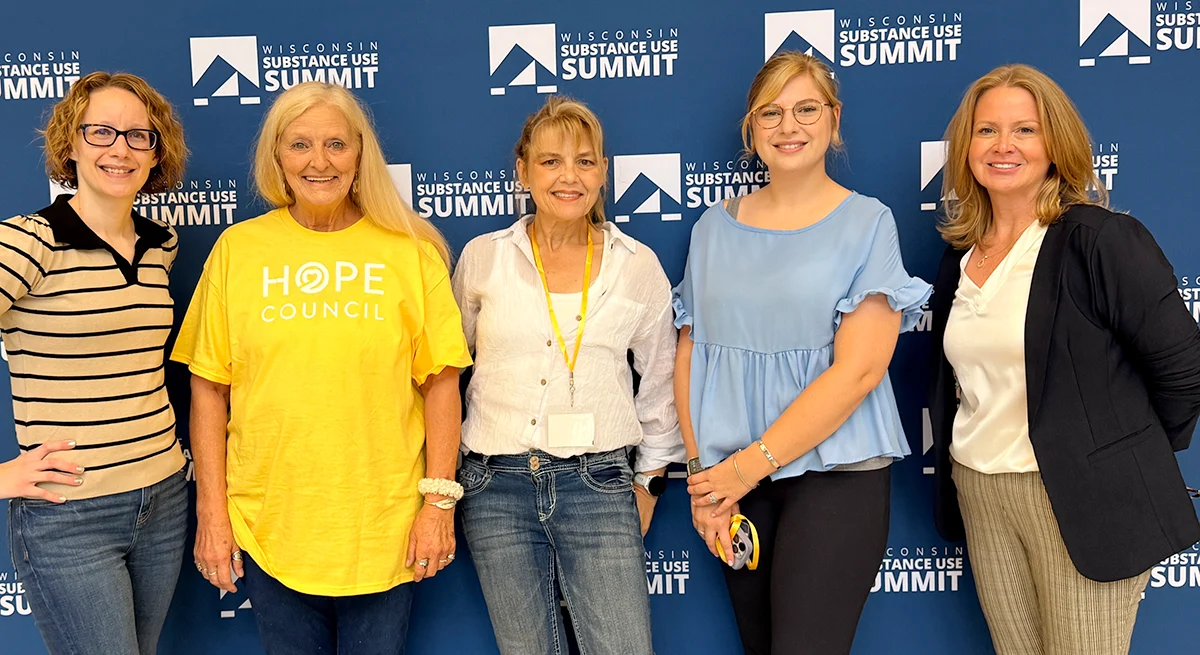
The Hope Council was proud to have much of our team in attendance, investing in professional development, strengthening statewide partnerships, and bringing back new ideas to better serve Kenosha County
Summit 2

Leading the Conversation

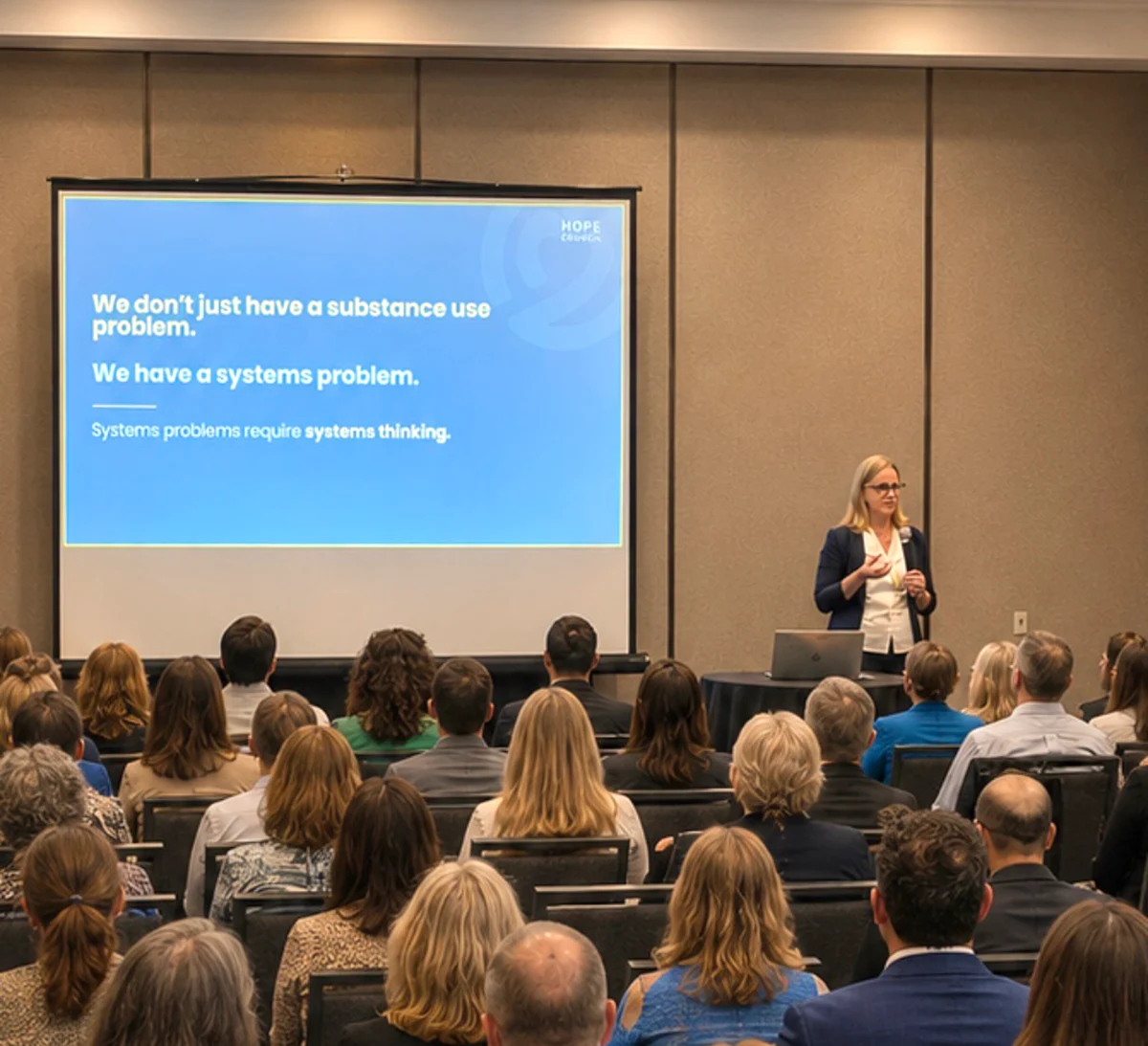
Hope Council Executive Director Michelle Sandberg was selected as a featured presenter for two breakout sessions, sharing innovative approaches that have helped shape substance use prevention, recovery, and family support efforts in our community.

Smashing Silos: Integrating the Full Continuum of Care

Michelle’s first presentation challenged attendees to rethink how prevention, overdose prevention, treatment, and recovery can work together instead of operating in separate systems.

Too often, funding structures, philosophies, and organizational boundaries create silos that make it more difficult for individuals and families to access the support they need. Michelle shared real-world examples of how organizations can build stronger partnerships, reduce fragmentation, and create a more coordinated continuum of care that better serves the people at the center of the work.

Participants explored practical strategies for overcoming barriers, strengthening collaboration, and recognizing that every part of the continuum plays an important role in long-term community health.

Supporting the People Who Support Others

Michelle’s second breakout session focused on a group that is often overlooked: the loved ones of individuals struggling with substance use.

Family members often experience stress, uncertainty, stigma, and emotional exhaustion while trying to support someone they care about. The session explored how family-centered, trauma-informed approaches can strengthen protective factors, reduce secondary trauma, and improve outcomes for both individuals and the people who love them.

Rather than viewing family support as separate from prevention, Michelle demonstrated how compassionate engagement with families strengthens the entire continuum of care and creates healthier communities.

Bringing New Ideas Home

While Michelle shared Hope Council’s work with colleagues from across the state, the rest of our team attended sessions covering prevention, intervention, treatment, recovery, youth engagement, peer support, overdose prevention, public policy, and community collaboration.

The knowledge, ideas, and connections gained during the summit will directly strengthen the services we provide throughout Kenosha County and help us continue delivering evidence-informed, compassionate care to the individuals and families we serve.

Continue the Conversation with Hope Council

The conversations and connections made at the Wisconsin Substance Use Summit don’t end when the conference does. Hope Council is committed to bringing evidence-based education, practical tools, and meaningful discussions back to our community.

Whether you’re a school, employer, faith community, healthcare organization, civic group, or community agency, our team is ready to help your audience better understand substance use prevention, overdose response, stigma reduction, recovery, and more.

Request a Speaker

Bring honest, evidence-based education to your classroom, workplace, congregation, or organization. Hope Council staff provide presentations and trainings tailored to your audience, helping build healthier, safer, and more informed communities.

Speaker fees are based on an organization’s ability to pay, several trainings are offered free of charge, and the only bad request is the one you didn’t send.

Who Can Request a Speaker?

If you have an audience, you qualify. We regularly present to:

  • Schools and parent organizations
  • Employers and HR teams
  • Civic groups and community organizations
  • Healthcare and social service providers
  • Faith communities
  • Coalitions and public agencies

Whether you’re planning a presentation for 10 people or 200, a single session or an ongoing series, we’ll work with you to develop programming that meets your goals.


Ready to start the conversation?

Together, we can build a healthier, safer Kenosha County through education, compassion, and collaboration.