When we talk about substance use, the conversation often begins after something has gone wrong.

Someone is struggling. A family is worried. An overdose occurs. A student gets caught vaping. An employee’s substance use begins affecting work.

Prevention asks us to start earlier:

What can we do before substance use becomes a crisis?

That question belongs to all of us.

Parents, schools, employers, health care providers, youth organizations, faith communities, civic organizations and neighbors all have a role in creating a healthier Kenosha County.

Kenosha County Is Telling Us Prevention Matters

Local data makes a compelling case for continued prevention efforts.

The 2025 Kenosha County Community Health Assessment gathered input from 836 participants about the issues affecting the health and well-being of our community.

Mental health was identified as a major concern by 35.7% of respondents, while 33.1% identified substance use. They were two of the three most frequently selected health concerns.

These aren’t simply statistics. They represent concerns being expressed by people living in our community.

Prevention Is More Than Telling People Not to Use Drugs

Effective prevention is not about scare tactics. It is about understanding risk, strengthening protective factors and giving individuals, families and communities the information and tools to make informed decisions.

Prevention can include:

  • helping young people develop healthy coping and decision-making skills;
  • supporting parents in having conversations about substance use;
  • recognizing mental health concerns;
  • reducing youth access to nicotine and other substances;
  • educating adults about changing substance trends;
  • teaching people how to recognize an overdose and use naloxone;
  • reducing stigma surrounding substance use disorders and recovery; and
  • making treatment, recovery and risk-reduction resources easier to access.

Hope Council provides evidence-based prevention programming for children, youth and adults in schools, community centers, businesses, medical facilities and other settings throughout Kenosha County.

Youth Prevention Starts With Facts

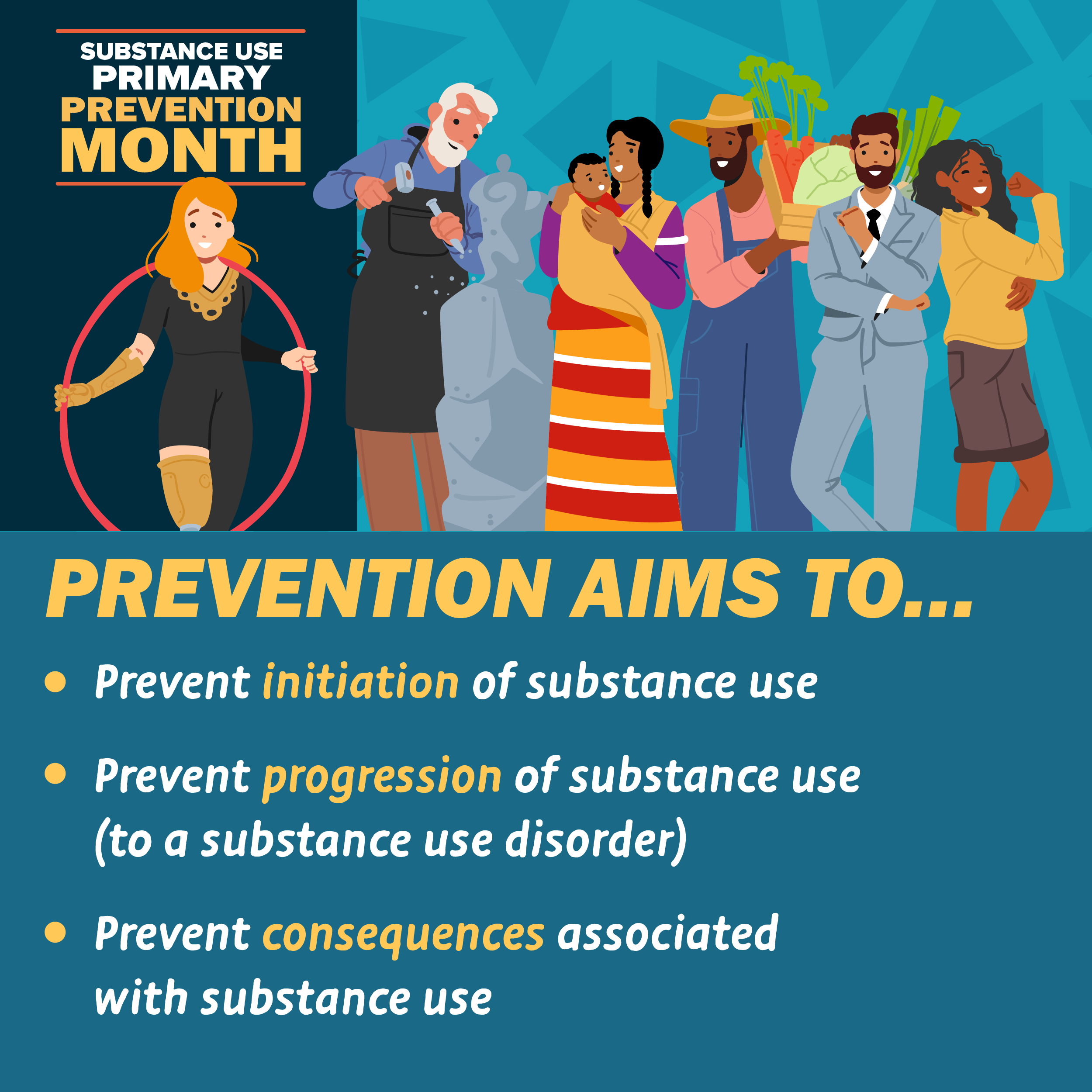
Sappm 2026 Week 1 Graphic 3 No Logo

Young people deserve accurate information and opportunities to ask honest questions.

One area that continues to require attention is nicotine.

Today’s nicotine landscape includes e-cigarettes, vapes, nicotine pouches and other products that can look very different from traditional cigarettes.

Hope Council works locally with schools, public health and community partners on youth vaping prevention, intervention and cessation. Parents can also explore Hope Council’s Youth & Teens resources and Vaping & Nicotine resources.

Hope Council also coordinates the Kenosha, Racine and Walworth Tobacco-Free Coalition.

In 2025, the coalition conducted 332 tobacco retailer compliance checks across Kenosha, Racine and Walworth counties, with a 4% youth sales rate. That three-county figure demonstrates why continued retailer education and accountability remain components of prevention.

Mental Health Is Community Health

Mental health and substance use can intersect, making mental health awareness another important part of community prevention.

Hope Council provides Mental Health First Aid, helping professionals, educators, employers and community members identify, understand and respond to mental health and substance use challenges.

That knowledge can be valuable in workplaces, schools, nonprofits, health care organizations, faith communities and other places where people interact every day.

You do not have to be a counselor to notice when someone may need help.

Sometimes knowing how to recognize a concern and how to start a conversation can help someone take the next step.

Learn more through Hope Council’s Prevention & Advocacy programs.

Fentanyl and Overdose Remain Local Concerns

Fentanyl has dramatically changed the risks associated with the illegal drug supply.

According to the Kenosha County Medical Examiner’s Office, 34 overdose deaths occurred in Kenosha County in 2024, including 12 involving fentanyl and/or a fentanyl analog.

Kenosha County also reports that local law enforcement has seized and tested counterfeit pills, many of which tested positive for fentanyl.

These numbers are an important reminder that overdose prevention belongs alongside substance use prevention.

Naloxone Saves Lives

Naloxone can reverse an opioid overdose.

That means family members, friends, teachers, employers, coaches and other community members can potentially save a life simply by knowing how to recognize an overdose and respond.

Hope Council’s Overdose Prevention resources provide information about recognizing an opioid overdose, administering naloxone and what to do afterward.

Hope Council also provides access to practical risk-reduction resources, including naloxone, fentanyl and xylazine test strips, safer-use supplies and safe disposal kits.

In a suspected overdose, call 911 immediately, give naloxone if available and stay with the person until help arrives.

Bring Prevention Education to Your Organization

Prevention education does not have to stay inside schools. Hope Council provides education and training for schools and youth organizations, workplaces and professional groups, community organizations and other audiences throughout Kenosha County.

If your organization has an audience, Hope Council can help bring the education to you.

Topics Can Include
  • educating adults about changing substance trends;
  • teaching people how to recognize an overdose and use naloxone;
  • reducing stigma surrounding substance use disorders and recovery; and
  • making treatment, recovery and risk-reduction resources easier to access.

Prevention Requires a Community

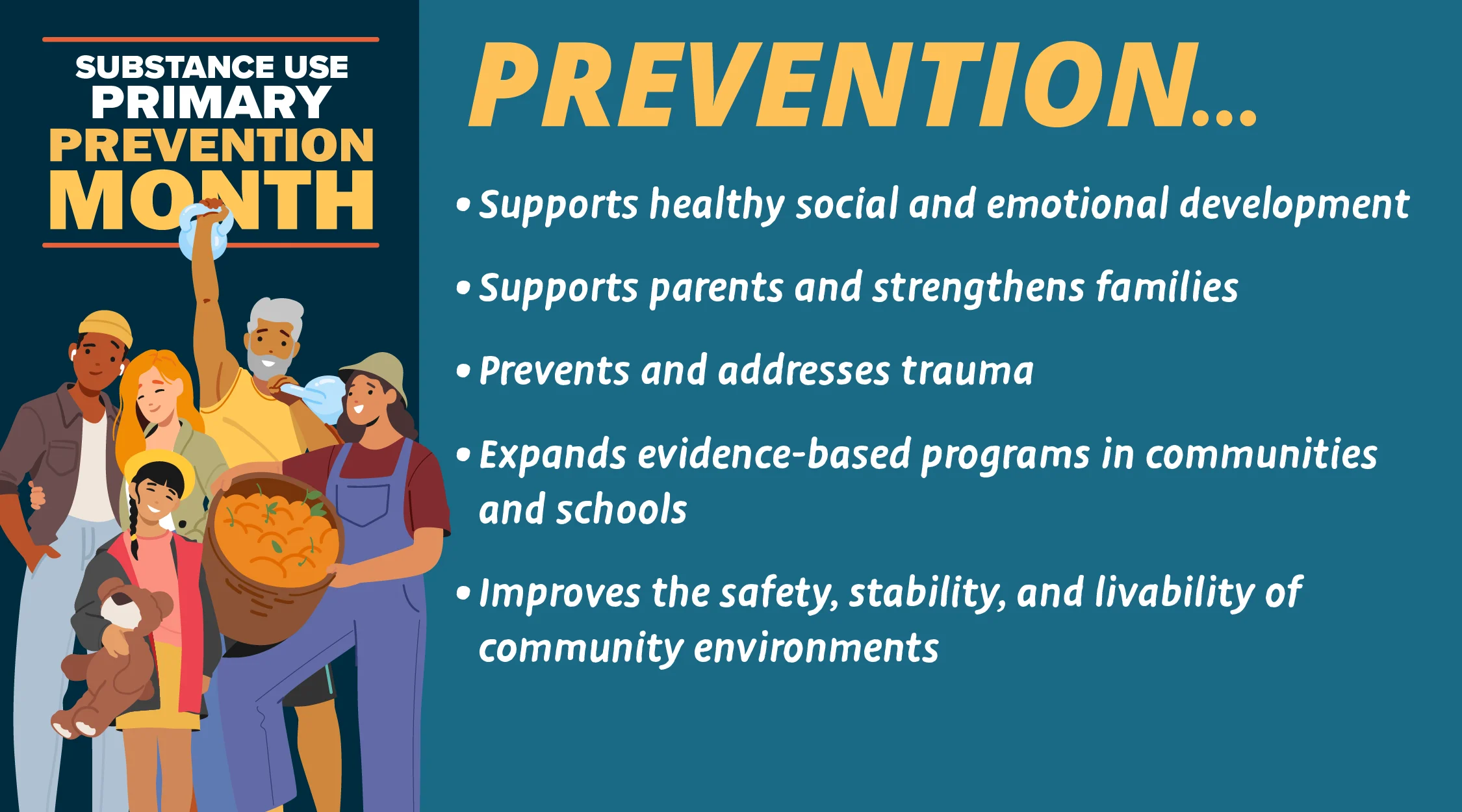
Sappm 2026 Week 3 Graphic 2 No Logo

Hope Council supports community collaboration through the Kenosha County Substance Abuse Coalition and Kenosha, Racine and Walworth Tobacco-Free Coalition.

Their scopes are different, but the idea behind them is the same: prevention is more effective when a community works together.
And there is a role for everyone.

Learn how to use naloxone. Talk with the young people in your life. Learn about today’s nicotine products. Take Mental Health First Aid. Share accurate information instead of stigma. Bring prevention education into your school, workplace or organization.

And when someone tells you they are struggling, listen.

For more than 55 years, Hope Council has served Kenosha County through education, prevention, intervention, referral, recovery support and practical resources for individuals and families.

Hope for everyone starts with a community willing to act.

Explore the Hope Council Resource Library or contact us to find your next step.